



Estrogen Receptor/ERR
Estrogen receptors are a group of proteins found inside cells. They are receptors that are activated by the hormone estrogen (17β-estradiol). Two classes of estrogen receptor exist: ER, which is a member of the nuclear hormone family of intracellular receptors, and GPER (GPR30), which is a member of the rhodopsin-like family of G protein-coupled receptors. The ER's helix 12 domain plays a crucial role in determining interactions with coactivators and corepressors and, therefore, the respective agonist or antagonist effect of the ligand. Different ligands may differ in their affinity for alpha and beta isoforms of the estrogen receptor: estradiol binds equally well to both receptors, estrone, and raloxifene bind preferentially to the alpha receptor, estriol, and genistein to the beta receptor. Estrogen and its receptors are essential for sexual development and reproductive function, but also play a role in other tissues such as bone. Estrogen receptors are also involved in pathological processes including breast cancer, endometrial cancer, and osteoporosis. Alternative promoter usage and alternative splicing result in dozens of transcript variants, but the full-length nature of many of these variants has not been determined.
Estrogen Receptor/ERR Isoform Specific Products
All Product Categories
-
Estrogen Receptor/ERR Inhibitors
(133)
View all products
-
Estrogen Receptor/ERR Agonists
(161)
View all products
-
Estrogen Receptor/ERR Antagonists
(107)
View all products
-
Estrogen Receptor/ERR Activators
(51)
View all products
-
Estrogen Receptor/ERR Modulators
(118)
View all products
-
Estrogen Receptor/ERR Chemicals
(2)
View all products
-
Estrogen Receptor/ERR Degraders
(73)
View all products
-
Estrogen Receptor/ERR Controls
(6)
View all products
-
Estrogen Receptor/ERR Ligands
(27)
View all products
-
Estrogen Receptor Proteins
(2)
View all products
-
ER-alpha Proteins
(1)
View all products
-
ER-beta Proteins
(1)
View all products
-
Estrogen Receptor/ERR Related Products (816)
Related Products (816)

-
Recombinant Proteins (2)
-
Antibodies (11)
-
Estrogen Receptor/ERR Isoform Comparison
-
Cholesterol-d4
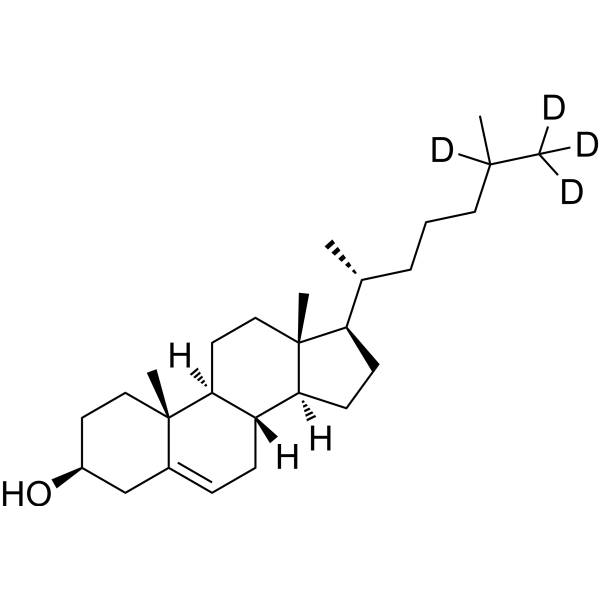 0 ImagesCholesterol-d4 is deuterium labeled Cholesterol. Cholesterol is the major sterol in mammals. It is making up 20-25% of structural component of the plasma membrane. Plasma membranes are highly permeable to water but relatively impermeable to ions and protons. Cholesterol plays an important role in determining the fluidity and permeability characteristics of the membrane as well as the function of both the transporters and signaling proteins. Cholesterol is also an endogenous estrogen-related receptor α (ERRα) agonist.
-
Estrone sulfate-d4 sodium
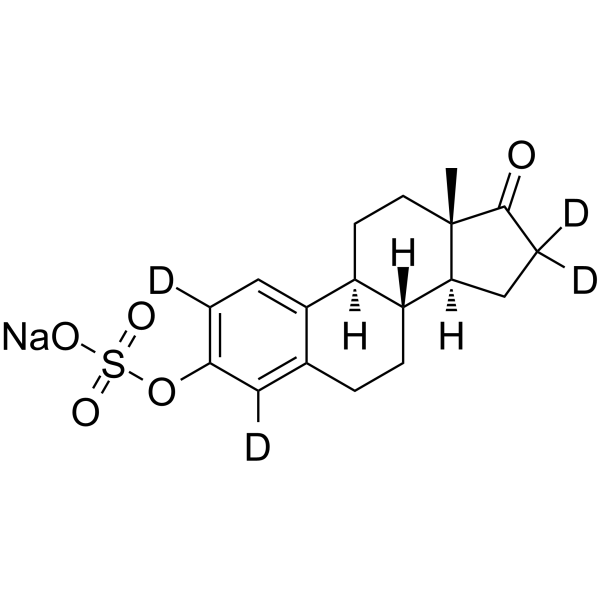 0 ImagesEstrone sulfate-d4 sodium is the deuterium labeled Estrone sulfate sodium (HY-113293B). Estrone sulfate sodium is an inactive endogenous estrogen that can be converted into Estrone (HY-B0234) and Estradiol (HY-B0141). Estrone sulfate sodium is also a substrate of the OATP1B3 transporter. Estrone sulfate sodium can be converted into Estrone and Estradiol in normal mammary parenchymal cells. Estrone sulfate sodium stimulates the growth of nitrosomethylurea-induced mammary tumors in ovariectomized rats and the colony formation of dispersed nitrosomethylurea mammary cells, with conversion into Estrone and Estradiol occurring both in vivo and in vitro during this process. Estrone sulfate sodium is applicable to breast cancer-related research.
-
Estropipate
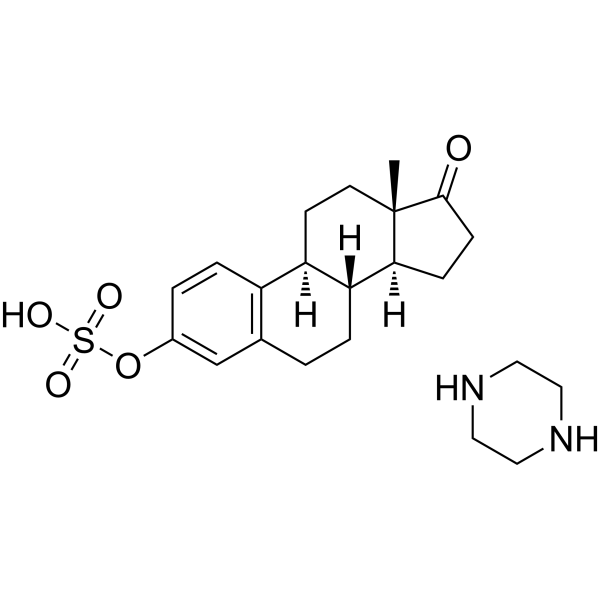 0 ImagesSynonyms: Piperazine estrone sulfate; Estrone sulfate piperazine saltEstropipate (Piperazine estrone sulfate; Estrone sulfate piperazine salt) is an inactive endogenous estrogen that can be converted into Estrone (HY-B0234) and Estradiol (HY-B0141). Estropipate is an orally active estrogen receptor α agonist and a selective OATP1B1 inhibitor. Estropipate inhibits OATP1B1-mediated uptake of statin substrates. Estropipate regulates the estrogen signaling pathway and ameliorates sensory processing and arousal-related behavioral deficits in scn1lab-mutant zebrafish. Estropipate can be used in studies related to autism.
-
Quinestrol
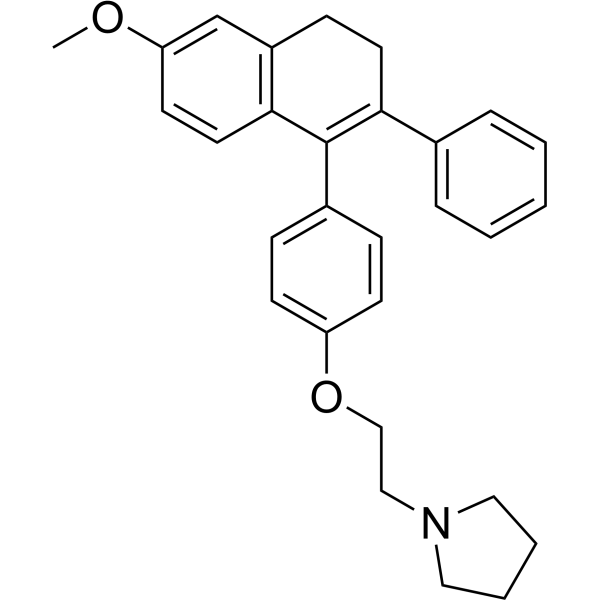
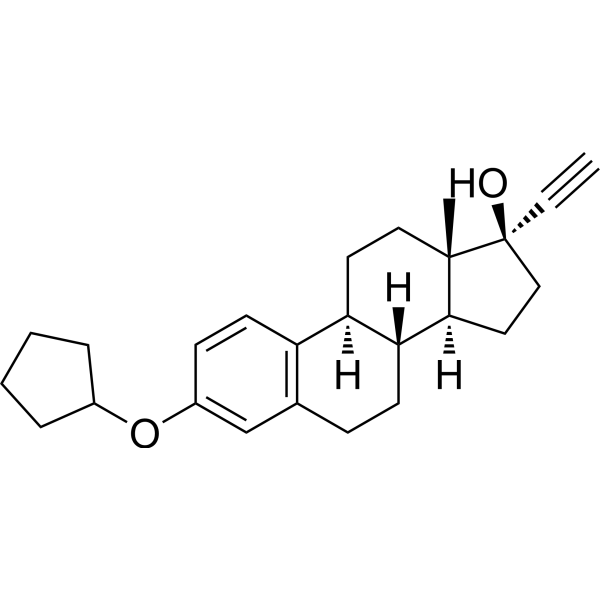 0 ImagesQuinestrol (W-3566) is an orally effective synthetic estrogen compound that acts on CYP3A4, CYP1A2, and GnRH. Quinestrol interferes with GnRH release and disrupts the hypothalamic-pituitary-ovarian axis. Quinestrol downregulates the gene expression of follicle-stimulating hormone β and luteinizing hormone β, induces oxidative stress, damages reproductive organs, reduces sperm density and motility, increases sperm malformation rate, and alters the levels of sex hormones such as testosterone, luteinizing hormone, estradiol, and progesterone. Quinestrol can be used in studies related to reproductive function regulation.
-
4-Chlorophenylacetic acid
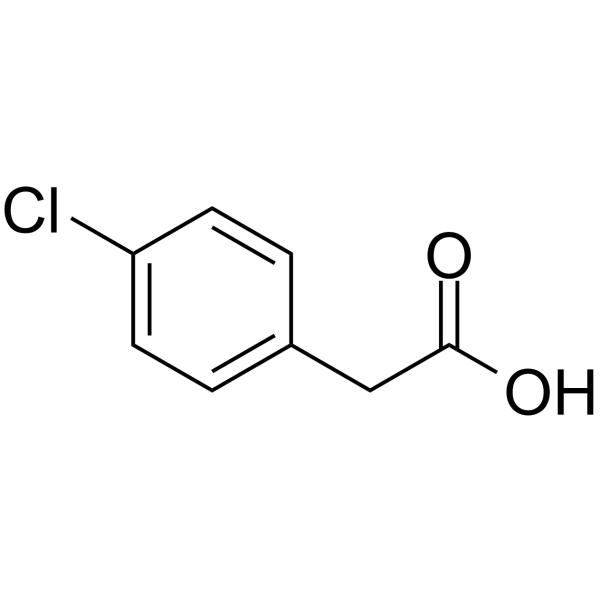 0 Images4-Chlorophenylacetic acid is an aromatase antagonist. 4-Chlorophenylacetic acid inhibits estrogen-induced breast tumorigenesis by blocking estrogen conversion. 4-Chlorophenylacetic acid also serves as the sole carbon and energy source for Pseudomonas sp. CBS3; it is degraded via dechlorination and aromatic ring cleavage pathways, and induces the synthesis of protocatechuate 2,3-dioxygenase. 4-Chlorophenylacetic acid can be applied to studies related to estrogen-induced breast tumors and bacterial degradation pathways.
-
(Rac)-Acolbifene
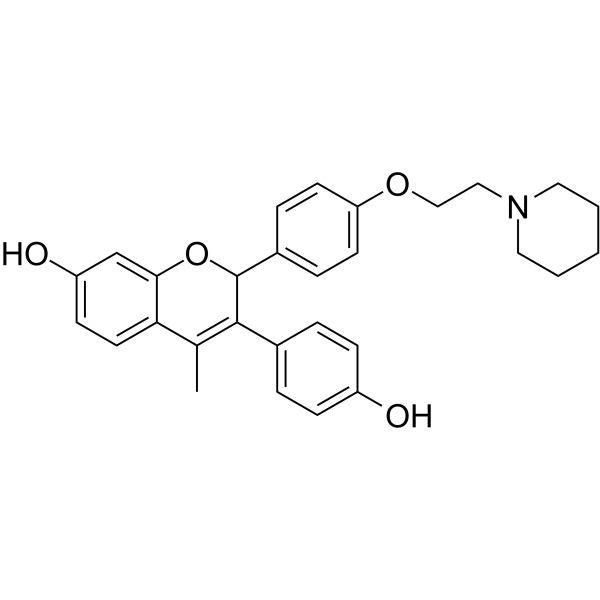 0 ImagesSynonyms: EM-343; (Rac)-EM-652(Rac)-Acolbifene (EM-343; (Rac)-EM-652) is the racemic form of EM652 (estrogen receptor?antagonist), has anti-estrogenic and estrogenic activities. (Rac)-Acolbifene (EM-343; (Rac)-EM-652) contains a piperidine ring, shows good pharmacological profile,relative binding affinity (RBA)=380.
-
Chlorotrianisene
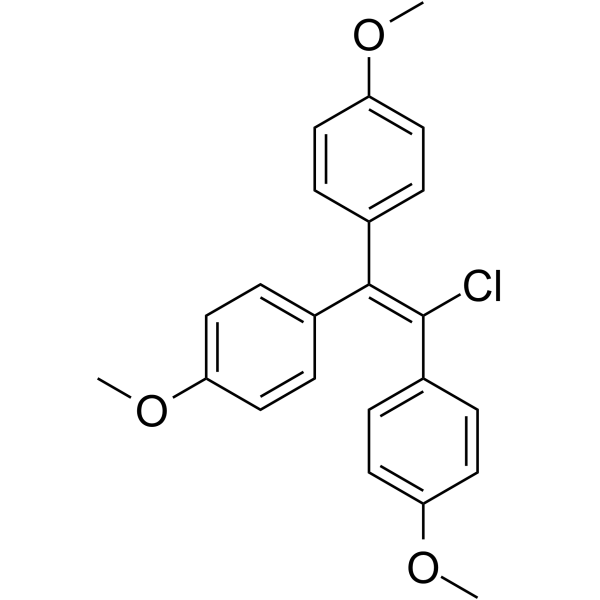 0 ImagesChlorotrianisene is a long-acting non-steroidal estrogen and an orally active estrogen receptor modulator. Chlorotrianisene exhibits antiestrogenic activity. Chlorotrianisene potently inhibits the enzyme COX-1 and inhibits platelet aggregation in whole blood.
-
Pinoresinol 4-O-β-D-glucopyranoside
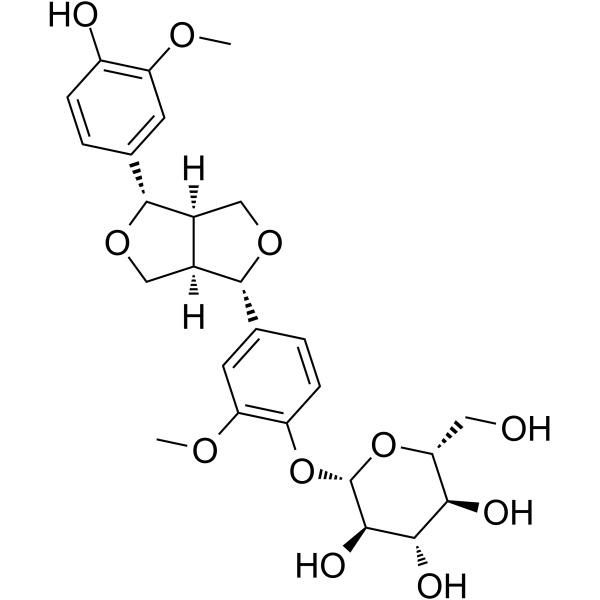 0 ImagesSynonyms: (+)-Pinoresinol 4-O-β-D-glucopyranosidePinoresinol 4-O-β-D-glucopyranoside ((+)-Pinoresinol 4-O-β-D-glucopyranoside) is an orally active α-glucosidase inhibitor, with an IC50 of 48.13 μg/mL. Pinoresinol 4-O-β-D-glucopyranoside binds to estrogen receptors. Pinoresinol 4-O-β-D-glucopyranoside inhibits phosphodiesterase. Pinoresinol 4-O-β-D-glucopyranoside exhibits various activities such as antioxidant, anti-inflammatory, anti-hyperglycemic, hepatoprotective and anti-epileptic effects.
-
Benzophenone-2
 0 ImagesSynonyms: 2,2′,4,4′-TetrahydroxybenzophenoneBenzophenone-2 (2,2',4,4'-Tetrahydroxybenzophenone) is an organic ultraviolet absorber that is widely used in personal care products and industrial products such as plastics and coatings. Benzophenone-2 is an endocrine disruptor that can interfere with estrogen receptors (ERα receptor) and pregnane X receptor (PXR receptor) activity, leading to reproductive toxicity, immune disorders, and metabolic abnormalities. Benzophenone-2 can inhibit the activity of α-glucosidase (IC50 = 49.72 μM), and can be used for research on diabetes.
-
GDC-0927
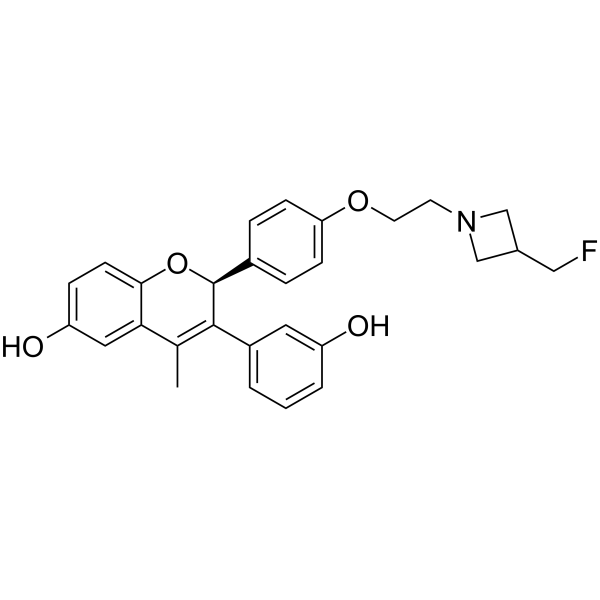 0 ImagesSynonyms: SRN-927GDC-0927 (SRN-927) is a potent, non-steroidal, orally bioavailable, selective estrogen receptor antagonist.
-
ERD-3111
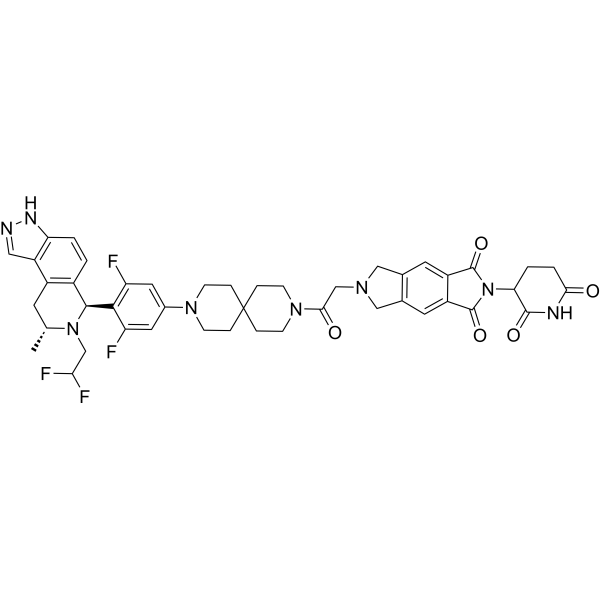 0 ImagesERD-3111 is an orally active PROTAC degrader targeting estrogen receptor α (ERα), with a DC50 of 0.5 nM. ERD-3111 induces ERα degradation in breast cancer cells, and triggers tumor regression or complete inhibition of tumor growth in ER-positive breast cancer xenograft models. ERD-3111 can be used in breast cancer-related research.
-
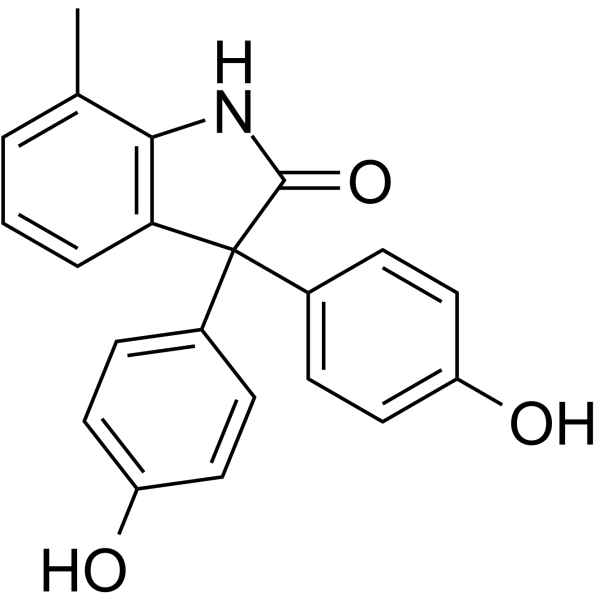
Rintodestrant
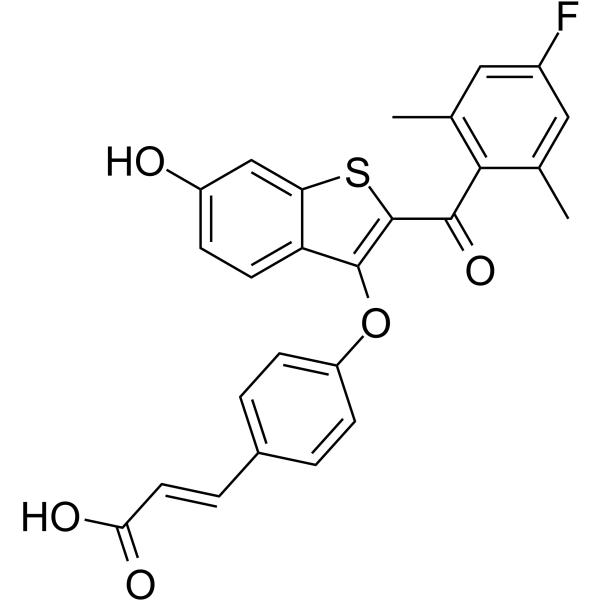 0 ImagesSynonyms: G1T48Rintodestrant (G1T48) is an orally active, non-steroidal and selective estrogen receptor degrader. Rintodestrant (G1T48) is also a CDK4/6 inhibitor.
-
Estradiol-d3
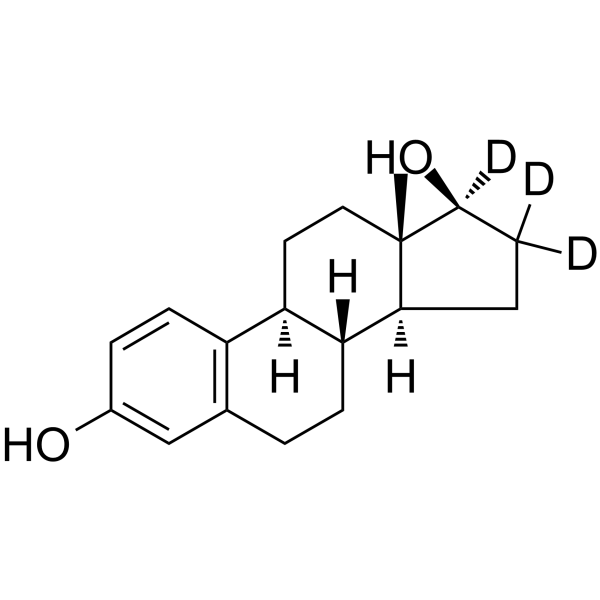 0 ImagesSynonyms: β-Estradiol-d3; 17β-Estradiol-d3; 17β-Oestradiol-d3Estradiol-d3 is the deuterium labeled Estradiol. Estradiol is a steroid sex hormone vital to the maintenance of fertility and secondary sexual characteristics in females. Estradiol upregulates IL-6 expression through the estrogen receptor β (ERβ) pathway.
-
Estradiol valerate (Standard)
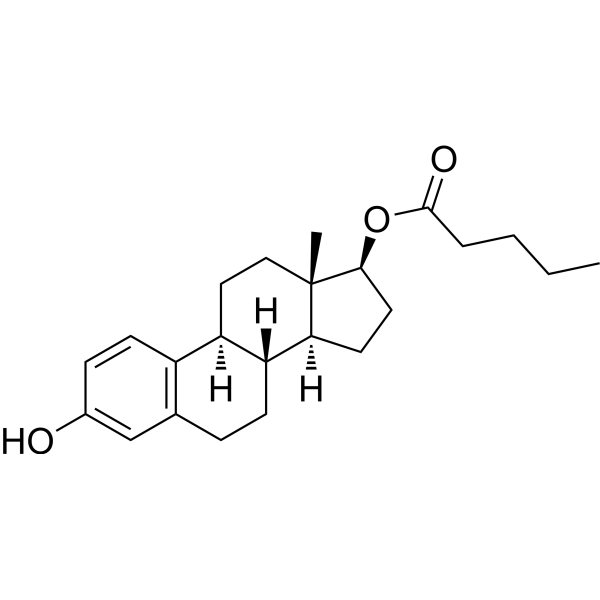 0 ImagesEstradiol valerianate (Standard) is the analytical standard of Estradiol valerianate. This product is intended for research and analytical applications. Estradiol valerate (β-Estradiol 17-valerate) is a synthetic estrogen widely used in combination with other steroid hormones in hormone replacement therapy agents.




